
Audits
Civil engineering audit: Ensuring quality and efficiency in every project
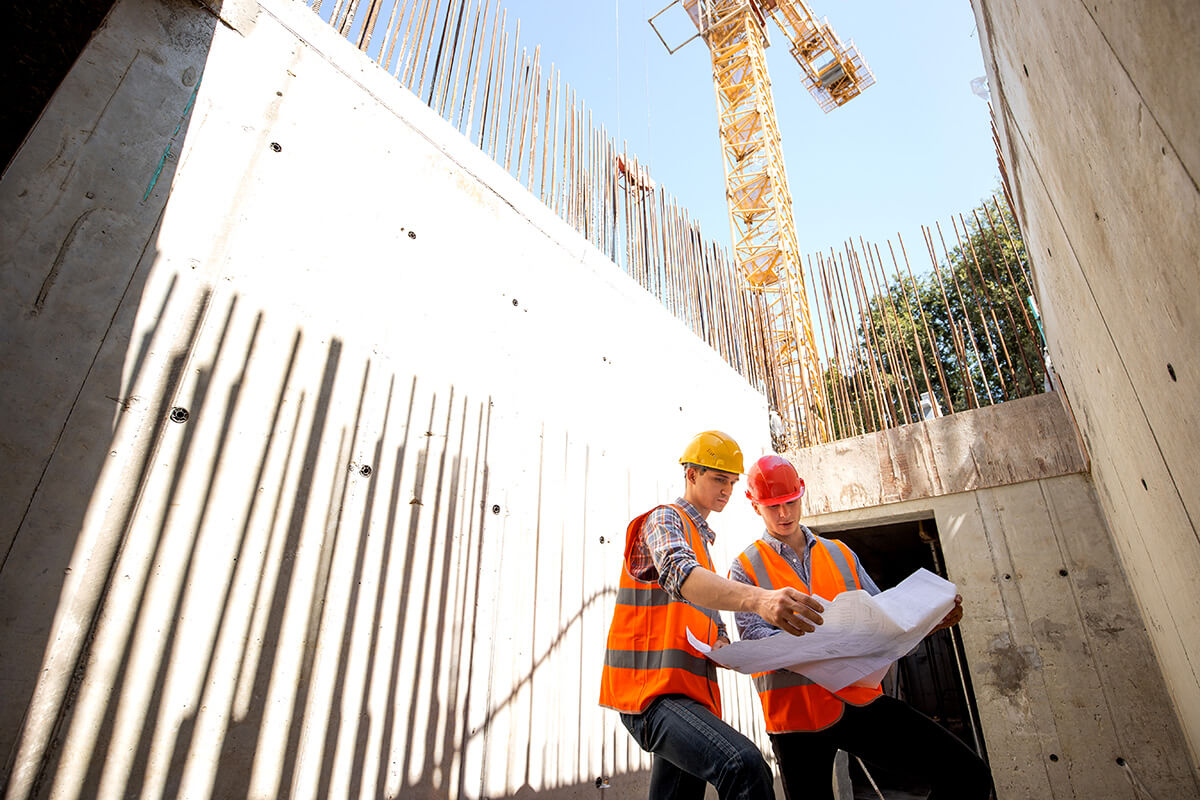
WHAT IS A CIVIL WORKS AUDIT?
Civil engineering audits are an essential process in construction that ensures the quality, regulatory compliance, and efficiency of projects. It is a technical and administrative evaluation that reviews aspects of the construction project, from design to execution, to ensure that all established specifications and standards are met.
WHY CONDUCT A CIVIL WORKS AUDIT?
It’s the best way to ensure that your project is built well, on time, and without surprises.
And as with everything important, it is essential to have someone who is knowledgeable about the subject, objective, and trustworthy. Because when it comes to investing, it is best to have the advice of a professional who looks after your interests.
IMPORTANCE AND ADVANTAGES OF AUDITS
Quality assurance and regulatory compliance: Audits verify that the work complies with the quality standards and legal and technical regulations governing construction. They ensure that the materials, methods, and procedures used in construction meet the required quality standards. Structures and components are verified to be adequate and safe.
Cost and budget control: An audit can verify that the project is being executed within the established budget and that deadlines are being met. Actual costs are tracked against estimates, which helps identify deviations early on and take corrective action.
Prevention of fraud and corruption: An audit of a civil engineering project helps identify potential fraud, embezzlement, unnecessary payments, or any other type of fraudulent behavior. This ensures that resources are used appropriately and efficiently.
Evaluation of project management efficiency: Audits allow for the review of project planning, execution, and management, evaluating its efficiency. Delivery times, resources used, and procedures followed are analyzed to ensure that everything is aligned with the initial project objectives.
Safety and risk prevention: Civil engineering audits also ensure that safety standards are followed on the job site. This minimizes the risk of accidents and ensures that workers are in a safe environment, which is crucial from both a legal and ethical standpoint.
Transparency and trust: Auditing contributes to the transparency of the project. With regular audits, all stakeholders (such as investors, government authorities, and the community) can be confident that the work is being carried out in accordance with the required standards.
Problem identification and continuous improvement: Detecting faults or errors in the early stages of the project through audits allows problems to be corrected before they become more costly and difficult to manage. In addition, audits can provide recommendations for improving quality and efficiency in future projects.
Sustainability and respect for the environment: Audits may include reviewing practices related to sustainability, such as proper waste management, efficient use of natural resources, and reduction of environmental impact. This ensures that civil works are environmentally responsible.
Risk prevention: Audits enable the detection of potential risks or deficiencies in the early stages of the project, which helps prevent serious problems in the future, such as structural failures or workplace accidents.
TYPES OF CIVIL WORKS AUDITS:
Each type of audit has a specific focus, but all seek to ensure that the project is carried out efficiently.
- Technical audit: Focuses on reviewing the technical execution of the project. This includes verifying that the materials used, construction techniques, and execution of the work comply with the standards established in the project plans and specifications.
- Financial audit: This focuses on analyzing the financial resources used in the project, reviewing budgets, actual costs, and deviations from projections. This audit seeks to ensure that funds are used appropriately, prevent mismanagement of resources, and comply with the approved budget.
- Management and quality audit: Evaluates the efficiency of project management, including time management, human resources, and materials. It focuses on assessing whether the materials and execution of the work meet defined quality standards.
- Safety audit: Verifies working conditions and safety measures implemented to protect workers and prevent accidents, work procedures, employee training, and compliance with occupational safety regulations.
- Compliance Audit: Ensures that the project complies with all applicable legal and regulatory requirements. This may include safety, environmental, labor, and other regulations. The compliance audit assesses whether the project complies with local, national, and international laws and regulations.
- Environmental Audit: Assesses the environmental impact of the project, ensuring compliance with environmental and sustainability regulations. Aspects such as waste management, resource use, pollutant emissions, and potential impacts on the natural environment are reviewed.
- Deadline Audit: Focuses on reviewing project execution times. It verifies whether the deadlines established in the schedule are being met and whether there are delays or advances in the work. It also evaluates the reasons behind possible delays and recommends corrective actions.
VALORA CONSULTING: SPECIALISTS IN AUDITS
Valora has a highly specialized and trained team capable of performing various types of audits. In this specific article, we will discuss construction audits, which include periodic certification of construction progress, adapted to the specific characteristics of each project, its scope, and the established contract. These types of audits are mainly carried out by architects, and within this field, the following types of audits are performed:
- Technical audit
- Financial audit
- Management audit
- Quality control audit
- Audit of deadlines
This integral approach allows Valora to offer a professional and rigorous service in different sectors, thus guaranteeing the quality and compliance with established standards.
