
Audits
Agricultural Audits: From an Administrative Process to a Strategic Advantage in the Countryside
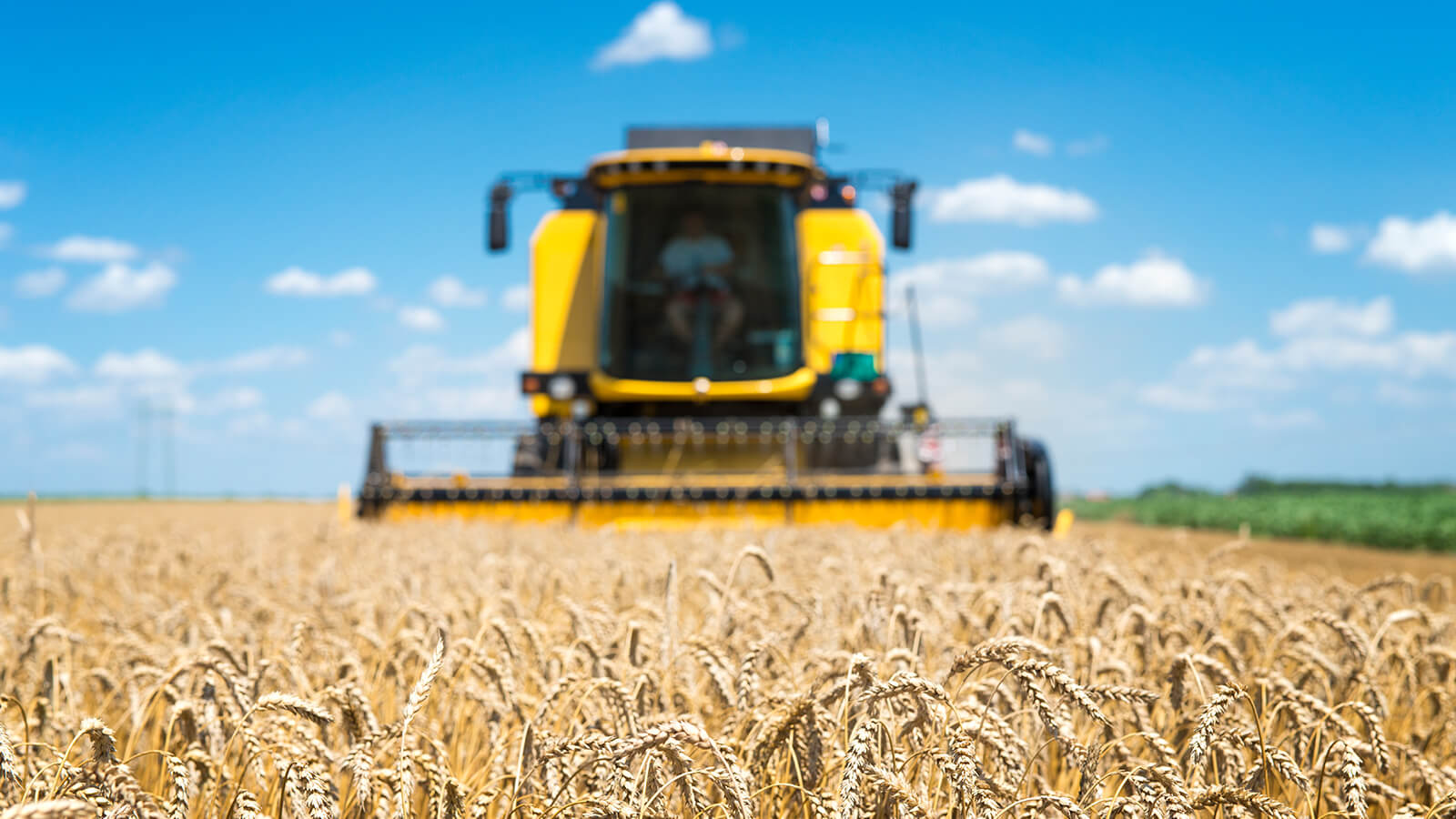
In today’s agricultural sector, efficiency is no longer an option—it is essential for survival. With increasingly tight margins and unprecedented demands for traceability, managing a farm (whether crop, livestock, or mixed) requires more than just good intentions: it requires data and risk management.
At Valora Consultora, we have learned that a well-executed agricultural audit is neither a punitive nor a purely bureaucratic process. It is a strategic assessment that allows owners and investors to rest easy, knowing that their assets are protected and their growth potential is optimized.
The Valora Process: How Do We Turn Data Into Decisions?
A professional audit is divided into four critical stages, where the key lies in the details:
- Smart Planning: We don’t audit everything the same way. We define the scope based on the type of production and the client’s objectives (Are you seeking financing? Do you want to obtain export certification? Are you looking to improve operational profitability?).
- Field Inspection: Theory is put to the test in the field. We check everything from the condition of machinery and irrigation systems to animal health and inventory management.
- Consistency Analysis: This is where we add value as consultants. We cross-reference the records with actual land conditions, production cycles, and sustainability standards.
- The Value Report: We don’t just provide a list of findings. We provide a roadmap with recommendations prioritized by impact and urgency.
Areas of technical assessment: key factors for sustainable farming
After analyzing numerous farms, at Valora we identified a number of factors that directly impact operational stability and economic viability:
- Climate change adaptation: The assessment evaluates the degree of exposure to climate risks and the existence of adaptation strategies, including water resilience plans and the suitability of infrastructure to withstand extreme events.
- Recording and traceability systems: The level of integrity, consistency, and digitization of records (plant health and animal health) is analyzed, given their impact on regulatory compliance, market access, and eligibility for funding.
- Soil management and conservation: Land-use practices and crop rotation are reviewed, along with indicators related to soil quality, in order to identify potential risks of degradation and their potential impact on productivity.
Why conduct an agricultural audit with Valora today?
Carrying out this process at the right time makes the difference between reacting to crises and anticipating them. The benefits are tangible:
- Cost optimization: We identify areas of resource waste and underutilized equipment.
- Banking transparency: A professional external audit report greatly facilitates access to lines of credit and the onboarding of new partners.
- True Sustainability: We align our production with current environmental standards, turning compliance into a competitive brand advantage.
Conclussion
In a globalized market where sustainability is under the microscope, intuition alone is no longer enough to manage a farm. An agricultural audit is the tool that transforms uncertainty into a clear growth strategy.
At Valora Consultora, we combine technical rigor with real-world knowledge of the Uruguayan agricultural sector. Is your farm ready for the next challenge?
